
13-Day Discover Korea
Overview
Discover the highlights of South Korea on this 13-day journey through its rich history, breathtaking landscapes, and vibrant culture. Explore Seoul's royal palaces and traditional neighborhoods, visit the UNESCO-listed Suwon Hwaseong Fortress, and experience the spectacular scenery of Seoraksan National Park. Continue to the historic cities of Andong and Gyeongju to discover Korea's Confucian heritage, ancient temples, royal tombs, and UNESCO World Heritage Sites. Enjoy Busan's beautiful coastline before visiting Suncheon's peaceful gardens and wetlands. The adventure concludes on Jeju Island, with volcanic landscapes, lava caves, coastal trails, tea plantations, and traditional villages, finishing with a visit to the DMZ and panoramic views from N Seoul Tower.
Tour Highlights
Gyeongbokgung Palace
Explore the grand royal palace that served as the heart of the Joseon Dynasty.
N Seoul Tower
Take in panoramic views across the capital from Seoul's best-known observation landmark.
Hahoe Village
Experience a UNESCO-listed village preserving traditional architecture and Confucian culture.
Bulguksa Temple
Discover a UNESCO masterpiece of Silla Buddhist architecture and craftsmanship.
Donggung Palace & Wolji Pond
Enjoy one of Gyeongju's most atmospheric historic sites, especially beautiful in the evening.
Gamcheon Culture Village
Explore Busan's colorful hillside lanes and their distinctive modern history.
Haedong Yonggungsa Temple
Visit a rare Buddhist temple set dramatically beside Busan's rocky coast.
Suncheon Bay
Walk through gardens and vast reed wetlands renowned for their peaceful natural scenery.
Seongsan Ilchulbong
Climb Jeju's UNESCO-listed volcanic crater for expansive coastal views.
Jeju Olle Trail
Follow a scenic walking route through Jeju's coastal landscapes and local communities.
DMZ Third Tunnel
Learn about the divided peninsula while exploring one of the most significant sites along the DMZ.
Itinerary
Day 1
Seoul
Begin your journey at Gyeongbokgung Palace, where grand gates, ceremonial courtyards and royal halls introduce the history of the Joseon Dynasty. Continue to Bukchon Hanok Village and walk through lanes lined with traditional Korean homes, discovering how the old capital survives within modern Seoul. In the afternoon, follow a section of the Seoul City Wall up to Naksan Park for views across the city and its surrounding hills. Finish with a relaxed stroll beside Cheonggyecheon Stream, a restored waterway that brings a peaceful walking space into the busy downtown area. This first day combines royal history, traditional neighborhoods and an easy introduction to Seoul on foot.


Day 2
Seoul → Suwon → Icheon → Sokcho
Travel south to Suwon to explore Hwaseong Fortress, the UNESCO World Heritage Site built in the late 18th century under King Jeongjo. Walk selected sections of its walls and discover the gates, watchtowers and defensive structures that connect the old city with the slopes of Paldalsan. Continue to Ye's Park in Icheon, a ceramics village where workshops and galleries introduce Korea's pottery traditions. Browse handmade pieces and learn about the craft, with an opportunity for a pottery-wheel experience when arranged. After the cultural visits, continue to Sokcho on Korea's east coast and settle in for the next day's exploration of Seoraksan National Park.


Day 3
Sokcho & Seoraksan National Park
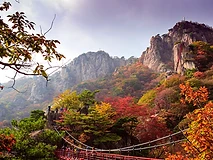
Spend the day among Seoraksan's granite peaks, forested valleys and mountain streams. Begin in the Seorak-dong area, where the cable car carries you toward Gwongeumseong for wide views over the rugged ridges and valley below, subject to weather and operation. Visit Sinheungsa Temple and its large bronze Buddha, set against the mountain scenery. Later, travel to the Osaek side of the park for a gentle walk through Jujeongol Valley. Follow the stream past rock formations and wooded slopes, enjoying a quieter side of Seoraksan at an unhurried pace. Return to Sokcho after a day combining panoramic viewpoints, Buddhist heritage and accessible valley walking.


Day 4
Sokcho → Andong
Leave the east coast and travel to Andong, a region closely associated with Korea's Confucian traditions. Visit Byeongsan Seowon, a historic Neo-Confucian academy, and explore its wooden halls and open pavilion overlooking the surrounding river landscape. Continue to Hahoe Folk Village, where tiled-roof residences, thatched houses and village lanes preserve the atmosphere of an established rural community. Your guide explains the traditions of family life, education and social customs reflected in the village's architecture. When the performance schedule allows, watch the **Hahoe mask dance**, whose expressive characters and humor bring local folk culture to life.


Day 5
Andong → Gyeongju
Travel to Gyeongju, the former capital of the Silla Kingdom, for a day focused on its Buddhist heritage. Visit Seokguram Grotto on the slopes of Tohamsan, where a seated Buddha and surrounding stone carvings reveal the skill of Silla's sculptors. Continue to Bulguksa Temple to explore its stone terraces, pagodas and tranquil courtyards, learning how architecture and Buddhist symbolism come together at this UNESCO World Heritage Site. Later, visit Golgulsa Temple, known for Sunmudo, a Buddhist practice combining movement, breathing and meditation. A Sunmudo demonstration may be viewed when scheduled, adding a living cultural experience to the day's historic temple visits.


Day 6
Gyeongju
Explore the royal heart of ancient Silla at Daereungwon, also known as Tumuli Park, where large grass-covered burial mounds mark the resting places of royalty and nobles. Continue through the historic district to Cheomseongdae and the Wolseong Palace Site, then cross Woljeonggyo Bridge to appreciate its graceful wooden structure. Visit Gyeongju National Museum for a closer look at Silla's artistry and archaeological treasures, and explore the Hwangnyongsa Temple Site to understand the scale of the ancient capital's religious buildings. Finish at Donggung Palace and Wolji Pond, where the waterside pavilions and their reflections create an atmospheric setting, especially as the evening lights come on.


Day 7
Gyeongju → Busan
Travel to Busan and discover the stories behind its hillside neighborhoods and coastline. At Amidong Tombstone Village, learn how Korean War refugees built homes on the site of a former Japanese cemetery. Continue to Gamcheon Culture Village, where colorful houses, murals and narrow alleys reveal the neighborhood's transformation into an artistic landmark. Visit the UN Memorial Cemetery for a quiet moment of remembrance and an introduction to the international forces who served during the Korean War. Complete the day with a scenic walk along a section of the Igidae Coastal Trail, enjoying rocky shores, open sea views and the city skyline across the water.


Day 8
Busan → Suncheon
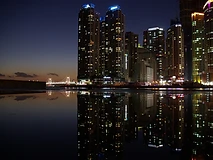
Continue exploring Busan's seaside landmarks before traveling west to Suncheon. Visit Haedong Yonggungsa Temple, where shrines and terraces stand beside a rocky shoreline, creating a striking contrast with Korea's mountain temples. Walk around Dongbaekseom and Nurimaru APEC House for views toward Haeundae Beach and the surrounding coast. See the distinctive architecture of the Busan Cinema Center, associated with the city's international film festival, and stop at Gwangalli Beach for its open view of Gwangan Bridge. After the coastal visits, depart Busan and continue to Suncheon for the night, ready to explore the gardens, wetlands and traditional village the following day.


Day 9
Suncheon
Discover the combination of traditional life and protected landscapes that makes Suncheon distinctive. Explore Naganeupseong Folk Village, where thatched-roof homes, narrow lanes and a surrounding fortress wall preserve the character of a historic town. Continue to Suncheon Bay National Garden to walk through landscaped gardens and enjoy the changing colors of seasonal flowers and plants. At Suncheon Bay Wetland Reserve, follow wooden walkways beside expansive reed beds and tidal flats. Your guide introduces the wetland ecosystem and its importance for migratory birds. The open views and gentle walking provide a peaceful contrast to the urban and historic sites visited earlier in the journey.


Day 10
Suncheon → Gwangju → Jeju Island
Transfer from Suncheon to Gwangju Airport for your flight to Jeju, beginning the island portion of the journey. After arrival, explore eastern Jeju at Seongsan Ilchulbong, the volcanic crater known as Sunrise Peak, with sweeping views over the sea and nearby countryside. Continue to Manjanggul Lava Tube to discover the underground landscape created by ancient lava flows, subject to visitor access on your travel date. Stop at Hamdeok Beach to enjoy its pale sand and clear coastal waters, then visit Dongmun Market for an introduction to Jeju's local produce, snacks and everyday market life. The order and pace of the visits are coordinated with the flight schedule.


Day 11
Jeju Island: Western Coast, Gardens & Tea Fields
Explore western Jeju, beginning with the dramatic scenery around Sanbangsan Mountain and Yongmeori Coast. When tides and sea conditions permit access, walk beside Yongmeori's layered coastal cliffs and see how wind and waves have shaped the shoreline. Continue to Spirited Garden, where carefully tended bonsai trees, stone features and quiet paths create a contemplative garden setting. Visit the O'sulloc Tea Museum and adjoining tea fields to learn about tea culture and enjoy the green landscape. Finish in the Aewol coastal area, where seaside walking paths and cafes offer time to relax with ocean views. This day brings together Jeju's volcanic coast, garden artistry and tea-growing scenery.


Day 12
Jeju Island → Seoul
Spend your final day on Jeju exploring the Seogwipo coast on Olle Trail Course 6. The route begins around Soesokkak and continues through coastal scenery toward Seogwipo, passing landmarks such as the KAL Hotel area and Honeymoon House. Walk a suitable section at a comfortable pace, with the distance adjusted to the day's flight schedule. Visit Seogwipo Maeil Olle Market for local produce and street-food stalls, then explore Seongeup Folk Village, where stone walls and traditional homes introduce the island's rural way of life. After the visits, transfer to Jeju Airport for your flight to Seoul and continue to your hotel.


Day 13
Seoul & the DMZ
Travel north from Seoul to learn about the division of the Korean Peninsula and the continuing significance of the DMZ. Begin at Imjingak Peace Park, where memorials and displays introduce stories of separation and hopes for reunification. Continue with the permitted DMZ program, including Dora Observatory and the Third Tunnel, as access conditions allow. Your guide explains the historical background and helps place these sites in the context of modern Korea. Return to Seoul and visit N Seoul Tower on Namsan for panoramic views across the capital. As the city lights appear, reflect on a journey that has connected Korea's royal heritage, regional traditions, mountain scenery and island landscapes.


Private Tour Pricing
Price per person based on group size
Inclusions
- All admission fees to tourist sites
- Accommodation 13 nights with breakfast (3 or 4-star hotel)
- Local English-speaking guide
- Round-trip transfer service with a private vehicle
- Airport Pick-up & Drop-off Service
- Every Lunch
Exclusions
- Personal expenses
- Every Dinner
Interested in this tour?
Enquire or ask us to customize it to your travel style.