3-Day Highlights of Jeju Island Tour
Overview
Jejudo is a volcanic island inscribed on the UNESCO World Heritage list as 'Jeju Volcanic Island and Lava Tubes.' The towering Hallasan Mountain occupies the center, and parasitic cones and basalt are spread throughout the island. The wide island is divided into Jeju-si in the north, Seogwipo-si in the south, and Hallasan Mountain at its center, so travelers should plan their itineraries well in advance.
Tour Highlights
Hyeopjae Beach
Enjoy brilliant blue water, pale sand and views toward Biyangdo Island.
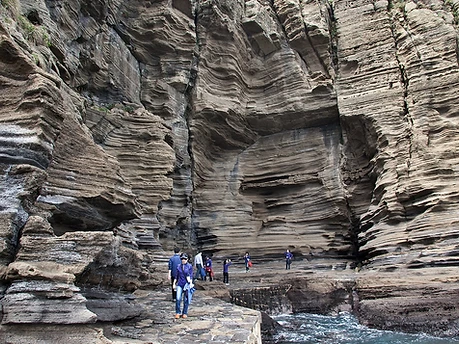
Yongmeori Coast
Walk beneath layered sandstone cliffs formed by volcanic activity and centuries of erosion.
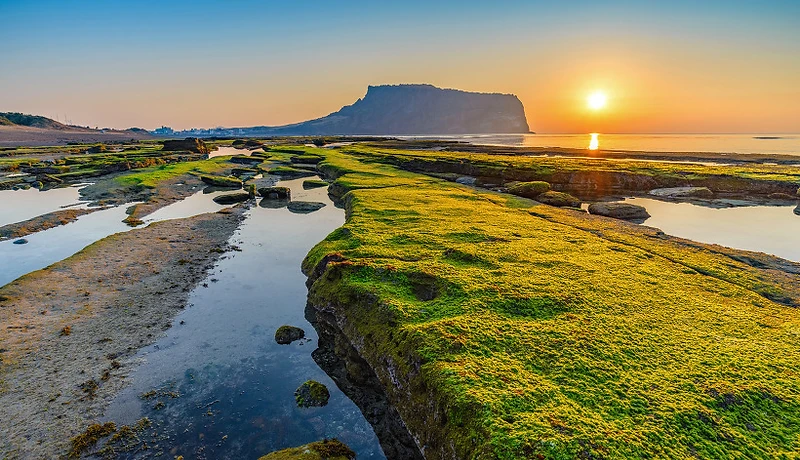
Seongsan Ilchulbong
Climb the UNESCO-listed volcanic crater for sweeping views across Jeju's eastern coast.
Manjanggul Lava Tube
Discover Jeju's volcanic origins inside one of the world's longest known lava tubes.
Itinerary
Day 1
Move to Jeju, Jeju Island tour Hyeopjae Beach → O'sulloc Green tea field & Museum → Eoseungsaengak Oreum → Yongmeori Coast
Hyeopjae Beach Hyeopjae Beach is located on the west side of Hanrim-eup. The beautiful white color of the sand comes from the large amounts of crushed seashells that have been mixed in with the sand. The long seashore stretches for 9 km and has cobalt colored seawater and evergreen forests scattered around the vicinity, making the scenery very beautiful. Hanrim Park nearby provides interesting tour sites such as a subtropical arboretum, Hyeopjaegul Cave, and Ssangyonggul Cave. It is a great place for a relaxing family vacation.
O'sulloc Green tea field & Museum The "O" in "O'sulloc ", means to appreciate and enjoy. You can enjoy unique O'sulloc teas and can relax next to the lotus pond in the indoor garden. Also, you can enjoy the views of the nearby green tea fields and the surrounding landscape. There is a huge green tea plantation which allures the visitors with a very pleasant odor of green tea.
Eoseungsaengak Oreum Eoseungsaengak is one of Jeju’s iconic oreum—a local term for the parasitic volcanic cones scattered across the island. These oreum are a key part of Jeju’s unique volcanic landscape and cultural identity. Eoseungsaengak is especially popular because it’s easily accessible and relatively short. The hike to the top(1,169m) takes only about 30 minutes, making it perfect for those who want to enjoy a panoramic view without committing to a long trek. In winter, Eoseungsaengak becomes a fantastic spot to view Jeju’s snow-covered scenery. From the summit, you can enjoy stunning views of Hallasan, nearby oreum, and the surrounding countryside—all beautifully dusted with snow. This short yet rewarding hike offers a quick escape into nature and a chance to experience one of Jeju’s most cherished natural features.
Yongmeori Coast Jeju Island's very own Grand Canyon! When you arrive at the entrance to the Yongmeori Coast you will first be greeted by a reproduction of the shop that brought Hendrick Hamel to the shores of Jeju in 1653. Hamel, along with some other surviving crew members, shipwrecked off this spot and his written accounts provide the first Western insights into Joseon Korean. This area is made of sandstone, built up over millions of years and is one of the 66Geoparks in the world. It looks as if a dragon’s head is going underwater. You marvel at this uniquely beautiful coastline


Day 2
Jeju Island tour Gimnyeong Sea Road & Cheonggulmul → Haenyeo Museum → Seongsan Ilchulbong → Manjanggul Cave → Seongeup Folk Village
Gimnyeong Sea Road & Cheonggulmul Gimnyeong Sea Road is a man-made path built along the coast of Jeju Island to help haenyeo—Jeju’s traditional female divers—enter the sea more safely and easily. The path appears during low tide and connects rock formations in the shallow waters, allowing the haenyeo to walk out to their diving spots without difficulty. It's not only a practical route for the divers but also a scenic coastal walk for visitors who want to experience a unique part of Jeju’s maritime culture. Cheonggulmul is a small freshwater spring nestled among the volcanic rocks of Gimnyeong Beach. Once a vital drinking water source for local villagers, it provided fresh water even beside the salty sea. Today, Cheonggulmul serves as a natural seaside pool, offering a cool, refreshing spot for visitors during the summer. It remains a symbol of Jeju’s close bond with nature.
Haenyeo Museum Haenyeo Museum is a cultural museum on Jeju Island, dedicated to the female divers known as haenyeo. It showcases their history, lifestyle, and diving techniques through exhibits and artifacts. Visitors can learn about their unique traditions and see displays of diving equipment. The museum offers a fascinating look into Jeju’s maritime heritage.
Seongsan Ilchulbong Seongsan Ilchulbong, also known as Sunrise Peak, is a famous volcanic crater on Jeju Island. It offers stunning panoramic views, especially at sunrise. Visitors can hike to the top to see the unique landscape formed by volcanic eruptions. The site is a UNESCO World Heritage landmark and a must-visit for nature lovers.
Manjanggul Cave Manjanggul is one of the finest lava tubes in the world, located on Jeju Island, South Korea. Formed about 200,000 to 300,000 years ago by volcanic activity, this natural cave stretches for about 13 kilometers, although only 1 kilometer is open to the public. Inside the lava tube, visitors can see various lava formations such as lava stalactites, lava stalagmites, lava shelves, and the world’s largest known lava column, which is about 7.6 meters high. The cave maintains a cool temperature year-round, making it a pleasant place to visit even in summer. Manjanggul is part of the UNESCO World Heritage Site “Jeju Volcanic Island and Lava Tubes” and is an excellent place to experience the geological history and volcanic features of Jeju Island.
Seongeup Folk Village Seongeup Folk Village is a well-preserved traditional village at the foot of Hallasan Mountain on Jeju Island. It offers a glimpse into Jeju’s cultural heritage and life during the Joseon Dynasty. Thatched-roof houses, stone walls, ancient shrines, and Confucian schools preserve the village’s historic character. Visitors can discover Jeju’s distinctive customs, foods, and crafts while learning about the community spirit that shaped village life. Black lava rock walls and horse pastures reflect the island’s agricultural traditions. Many centuries-old buildings retain their original appearance. Seongeup remains a living village, where residents continue traditional practices, offering an authentic and immersive experience of Jeju’s cultural identity


Day 3
Jeju Island tour, Move to Seoul Songaksan trail → Daepo Jusangjeolli Cliff → Jeongbang water fall → Soesokkak Estuary
Songaksan trail Songaksan Mountain is located about 400 meters south of Sanbangsan Mountain. Gabo Island seems to be within reach. The trail is going around the volcanic mountain alongside the coast, making it a beautiful spot to admire the gorgeous nature that Jeju has to offer. It is not tiring to stroll around. It's part of the Olle trail route 10. A very popular spot for walking, viewing, and relaxing. It's famous for being featured on a popular Korean soap opera.
Daepo Jusangjeolli Cliff The Jusangjeolli are stone pillars piled up along the coast and is a designated cultural monument of Jejudo Island. The Jusangjeolli Cliff was formed when the lava from Mt.Hallasan erupted into the sea of Jungmun. They are rock pillars shaped like cubes or hexagons of various sizes and almost seem as if stonemasons had carved them out.
Jeongbang water fall Jeongbang Falls is one of the Jejudo Island’s top 3 falls, along with Cheonjiyeon Falls and Cheonjeyeon Falls. It is the only fall in Korea where water falls directly into the sea. The fall is 23m high and the two streams of waterfall that fall down the black cliff create a thrilling sound and a wonderful view. Moreover, the steep cliffs and old pine trees around the fall create a picturesque view. While swimming is not recommended here, you can still dip your toes into the water at low tide and get close to the waterfall.
Soesokkak Estuary Soesokkak is a scenic estuary on Jeju Island’s southern coast, where Hyodoncheon Stream meets the sea. Its name refers to the deep, calm pool at the stream’s end. Known for its emerald waters, black volcanic rocks, and lush pine forests, it offers a peaceful setting for relaxing and taking photos. Visitors can ride a traditional teu wooden raft, go kayaking, or stroll along the riverside trail. Soesokkak is also part of the famous Olle Trail Route 6


Private Tour Pricing
Price per person based on group size
Inclusions
- Private tour
- Admission fees to tourist sites
- Round-trip domestic flight ticket from Seoul to Jeju
- 2 nights at a 3- or 4-star hotel with breakfast (Double, Twin, Triple room based)
- Local English-speaking guide
- Round-trip transfer service with private vehicle
- Hotel pick-up & drop-off service in Seoul areas
Exclusions
- Personal expenses
- All meals
- Experience fee for Transparent Kayak and Tewoo (traditional raft)
Interested in this tour?
Enquire or ask us to customize it to your travel style.