
9-Day Tasty Journey Round Korea
Overview
Discover Korea through its regional kitchens as well as its landscapes. This private nine-day journey links Geumsan's ginseng markets, the islands near Gunsan, Jeonju's hanok lanes, Suncheon's wetlands, the southern ports of Tongyeong and Busan, the Silla heritage of Gyeongju, Andong's traditional villages and the mountain scenery of Gangwon. Each day pairs cultural visits with a featured local meal, from samgyetang and bibimbap to hanjeongsik, Andong jjimdak, hanwoo and buckwheat noodles. Your guide explains ingredients, table customs and the connections between food and place. The tour includes nine lunches, eight nights' accommodation and hotel breakfasts; dinners and extra market snacks are paid separately. Tell us about dietary requirements when planning your trip so suitable meals can be discussed.
Tour Highlights
Daedunsan Suspension Bridge
Ride the mountain cable car and cross a dramatic bridge suspended between rugged peaks.
Suncheon Bay Wetland Reserve
Walk beside expansive reed fields in one of Korea's most beautiful coastal wetlands.
Mt. Mireuksan Cable Car
Rise above Tongyeong for panoramic views across the islands of the Hallyeo Waterway.
Hahoe Village
Experience a UNESCO-listed village preserving traditional homes, Confucian culture and mask-dance heritage.
V-Train
Travel through remote mountain valleys aboard Korea's scenic canyon train.
Jujeongol Valley
Walk through Seoraksan's striking rock formations, clear streams and forest scenery.
Itinerary
Day 1
Seoul → Geumsan → Mt. Daedunsan → Gunsan Geumsan Ginseng Market → Mt. Daedunsan Suspension Bridge
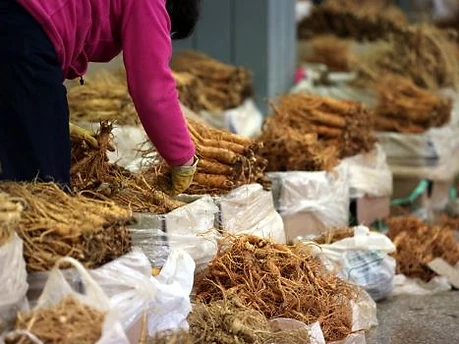
Meet your guide at your hotel in Seoul and travel to Geumsan by private van. Visit the famous Geumsan Ginseng & Herbal Medicine Market, Korea's largest ginseng trading center, where you can explore a wide variety of ginseng and traditional herbal products.
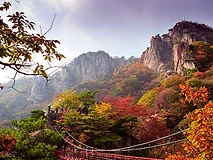
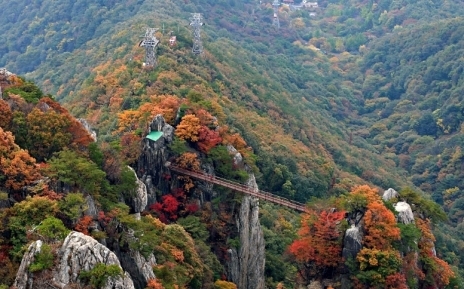
Continue to Daedunsan Provincial Park, renowned for its dramatic granite peaks, unique rock formations, and beautiful forests. Ride the cable car, then cross the iconic 50-meter suspension bridge for spectacular mountain views.
Food experience: Ginseng chicken soup and deep-fried ginseng — The ginseng chicken soup and deep-fried ginseng are the most popular menu items in this town. The ginseng chicken consists primarily of a whole young chicken (poussin), filled with garlic, rice, jujube, and ginseng, while the deep-fried ginseng is eaten in a dip of red ginseng extract and tastes delicious. This is what ‘food like medicine’ is all about.


Day 2
Gunsan → Gogunsan Islands → Jeonju Gogunsan Islands Tour → Saemangeum Seawall and Exhibition Hall → Jeonju Hanok Village
Your day begins with a visit to the Gogunsan Islands, a group of picturesque islands known for their calm seas, fishing villages, and unspoiled natural landscapes.
Continue to the Saemangeum Seawall, one of the world’s longest man-made sea walls, symbolizing Korea’s remarkable engineering and vision for the future.
The journey then leads to Jeonju Hanok Village, the cultural heart of traditional Korea. Stroll through narrow lanes lined with hundreds of well-preserved hanok houses, discover traditional crafts, and experience Jeonju’s rich culinary heritage, widely known as the birthplace of bibimbap.
Food experience: Bibimbap. Bibimbap is a traditional Korean dish whose name means “mixed rice.” It features warm rice topped with colorful vegetables, often accompanied by beef and an egg, and served with gochujang (Korean red chili paste) and sesame oil. Mix everything together before eating to enjoy the flavors and textures in each bite. Add the chili paste gradually to suit your taste.


Day 3
Jeonju → Gurye → Suncheon Gurye Saseongam Hermitage → Naganeupseong Village → Suncheon Bay Wetland Reserve
Saseongam Hermitage is a small Buddhist hermitage dramatically built on a steep cliff overlooking the Seomjin River. From the cliffside platforms, visitors can enjoy breathtaking panoramic views of Gurye and the surrounding mountains. The site is also known for its peaceful atmosphere and unique rock-cut prayer halls.
Naganeupseong Village is a well-preserved walled town from the Joseon Dynasty, originally built to protect the local administrative center. Unlike many historical sites, it is still inhabited today, with residents living in traditional thatched-roof houses.
Suncheon Bay Wetland Reserve is one of Korea’s most important coastal wetlands and a protected natural ecosystem. It is famous for its vast reed fields, tidal flats, and scenic walking trails. The wetland is home to many migratory birds, especially in winter, making it a popular spot for birdwatching and nature photography.
Food experience: Suncheon Soy Sauce Duck Bulgogi is a local specialty made with tender slices of duck marinated in a savory soy sauce–based seasoning with garlic, vegetables, and mild spices. The duck is grilled or stir-fried at the table, creating a rich aroma and deep flavor.


Day 4
Suncheon → Tongyeong → Busan Mt. Mireuksan by Cable Car → Dongpirang Mural Village → Busan Hwangnyeongsan Observatory → Jagalchi Fish Market
After a 2.5-hour drive from Jeonju, arrive in Tongyeong, a charming coastal city. Ride the Hallyeo Waterway Cable Car, Korea’s longest cable car, for spectacular views from Mt. Mireuksan. Then visit Dongpirang Mural Village, where colorful murals and the remains of a Joseon-era fortress overlook Tongyeong Harbor.
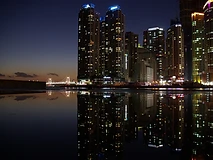
**Hwangnyeongsan Mountain** (427 m) stands in the heart of Busan. Once a Joseon-era beacon-fire station, it now offers stunning panoramic views of Gwangan Bridge, Haeundae, Busan Harbor, and the city skyline. Easily accessible from downtown, it is one of Busan’s most popular spots for hiking and enjoying spectacular day and night views.
Food experience: Enjoy a fresh seafood dinner at Jagalchi Fish Market, Busan’s largest seafood market. Choose live seafood such as snow crab or fish, then have it cooked at a nearby restaurant. It’s the perfect place to experience Busan’s famous seafood and local flavors.


Day 5
Busan Dongbaekseom → Haedong Yonggungsa Temple → UN Memorial Cemetery → Gamcheon Culture Village → Tombstone Culture Village
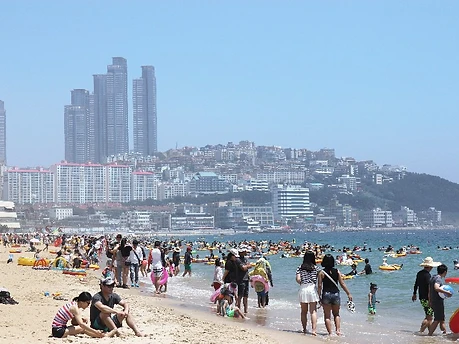
Explore Busan with your private guide, visiting the city's top highlights. Walk along **Haeundae Beach and Dongbaek Island, home to the scenic Nurimaru APEC House. Continue to Haedong Yonggungsa Temple, a beautiful seaside temple, and finish at the UN Memorial Cemetery**, honoring the UN soldiers who fought in the Korean War.
Visit** Gamcheon Culture Village, a colorful hillside neighborhood created by Korean War refugees, and Tombstone Culture Village**, where homes were built over former Japanese graves after the war.
Food experience: End the day with an authentic **Korean BBQ dinner**, enjoying favorites like samgyeopsal and galbi at a popular local restaurant.


Day 6
Gyeongju Bulguksa Temple → Seokguram Grotto → Daereungwon Tomb Complex → Donggung Palace & Wolji Pond → Wolseong Palace → Cheomseongdae Observatory
Discover the ancient city of Gyeongju with visits to Bulguksa Temple and Seokguram Grotto, both UNESCO World Heritage Sites from the Silla Kingdom. Admire Bulguksa’s historic stone pagodas and the serene granite Buddha at Seokguram, overlooking the East Sea.
Daereungwon Tomb Complex — Explore the royal tombs of Silla kings and queens, including the famous Cheonmachong Tomb, offering a glimpse into the kingdom’s ancient history.
Donggung Palace & Wolji Pond — A former royal palace and banquet garden, beautifully illuminated at night and one of Gyeongju’s most iconic historical sites.
Wolseong Palace — The former royal palace of the Silla Kingdom, surrounded by peaceful walking paths and rich archaeological remains.
Cheomseongdae Observatory — Asia’s oldest surviving astronomical observatory, built in the 7th century during the Silla Dynasty.
Food experience: Jeongsik is a traditional Korean set meal featuring a variety of seasonal side dishes, rice, soup, grilled fish, and local specialties. Served all at once, it offers a balanced and authentic taste of Korean cuisine, especially the flavors of the Gyeongju region.


Day 7
Andong → Hahoe Village Andong Hahoe Village → Byeolsingut Talnori → Museom Village
Andong Hahoe Village — A UNESCO World Heritage Site that preserves the traditional homes and culture of Korea’s Joseon-era aristocracy.
Hahoe Byeolsingut Talnori — A traditional Korean mask dance performance featuring humor, satire, and folk rituals, recognized by UNESCO as Intangible Cultural Heritage.
Museom Village — A peaceful riverside village known for its well-preserved traditional hanok houses and scenic wooden bridge.
Food experience: Andong Jjimdak — Andong’s signature dish of braised chicken with vegetables and glass noodles in a savory soy-based sauce.


Day 8
Mountain Range Canyon Train → Taebaek → Sokcho V-Train → Taebaek → Gaetbae Boat → Cheongcho Lake
Travel from Andong to Yeongju and board the scenic V-Train, where the "V" stands for Valley. Enjoy beautiful mountain and valley views through openable windows as the train travels at a relaxed pace.
After the one-hour ride, continue to Taebaek, a former coal-mining city surrounded by mountains. Learn about Korea's coal industry and its role in the country's modernization before enjoying a delicious Hanwoo (Korean beef) barbecue lunch, a local specialty.
Cheongcho Lake is a peaceful coastal lagoon in Sokcho, formed where freshwater and seawater meet. Surrounded by walking trails and cafés, it offers beautiful views of the lake, mountains, and nearby East Sea.
The Gaetbae is a traditional hand-pulled ferry that crosses a narrow channel between Cheongho-dong and Abai Village. Passengers help pull the ferry across using a rope, offering a unique experience and a glimpse into Sokcho's local history and culture.
Food experience: Hanwoo Korean beef barbecue. Taebaek Hanwoo Barbecue features premium Korean beef, prized for its tenderness, delicate marbling, and rich flavor. Grilled at the table, the beef is best enjoyed with a little salt to appreciate its natural taste, or wrapped in lettuce with garlic and ssamjang (Korean dipping sauce). Enjoy this satisfying meal in the mountain city of Taebaek, accompanied by a variety of Korean side dishes.


Day 9
Sokcho → Mt. Seorak → Seoul Jujeongol Valley → Yongso Waterfall → Seorak Cable Car → Gwongeumseong Fortress → Sinheungsa Temple
On the final day of your tour, enjoy an easy hike through the scenic Jujeongol Valley in Mt. Seorak National Park, known for its clear streams, seasonal beauty, and the picturesque Yongso Waterfall. Then, ride the cable car for panoramic views of Seoraksan's dramatic granite peaks before returning to Seoul.
Ride the Seorak Cable Car to Gwongeumseong Fortress for breathtaking views of Seoraksan, Ulsanbawi Rock, and the East Sea. Visit Sinheungsa Temple, home to Korea's impressive 33-foot bronze Buddha statue.
Food experience: Dakgalbi (Spicy Stir-Fried Chicken) is a popular Korean dish made with chicken, cabbage, sweet potatoes, and rice cakes, cooked together in a spicy, savory sauce on a large tabletop pan. After the meal, rice is often stir-fried in the remaining sauce for a delicious finish. Makguksu (Buckwheat Noodles) is a refreshing noodle dish served chilled, either in a light broth or mixed with a spicy sauce. Topped with vegetables and often half a boiled egg, it pairs perfectly with the rich, spicy flavors of dakgalbi.
Tour ends in Seoul


Private Tour Pricing
Price per person based on group size
Inclusions
- Local English-speaking tour guide & vehicle
- All entrance charges
- Accommodation: 8 nights at a 3 or 4-star hotel or similar hotel, based on double, twin, or triple sharing
- Breakfast at the hotel
- Lunch 9 times (foods specified in the itinerary)
Exclusions
- Dinner
- Seonyudo Skyline Zipline ticket
- Travel insurance
- International airfare
Interested in this tour?
Enquire or ask us to customize it to your travel style.